Siding Repair · Mission, TX

Siding Repair in Mission, TX

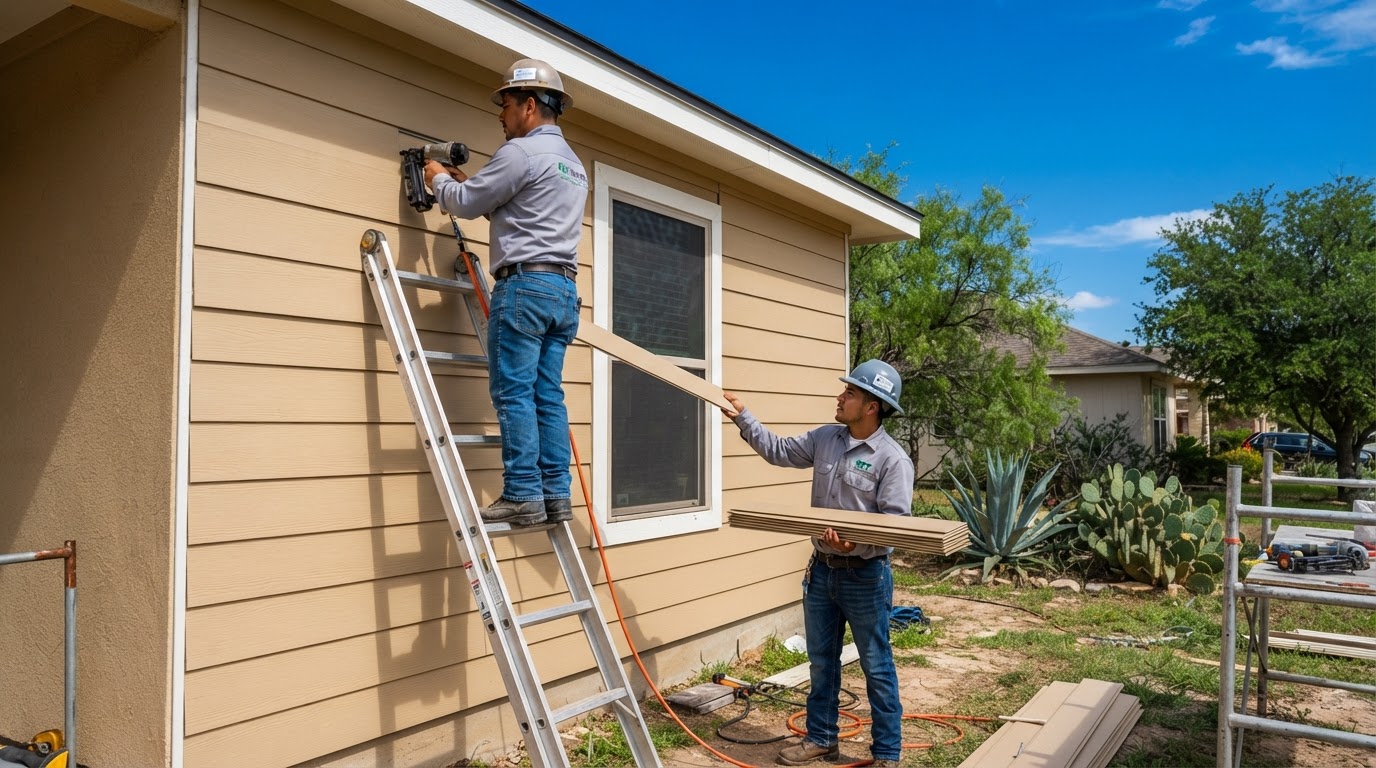
Siding repair in Mission, TX addresses damaged, loose, or weathered exterior cladding so your home or building can maintain its protective envelope and finished appearance. Mission Siding Solutions helps homeowners, landlords, and property managers resolve impact damage, moisture concerns, loose panels, cracked trim, and tenant-turnover fixes through organized, clearly communicated repair work. Whether the project is a targeted panel replacement or a broader exterior refresh, the scope, materials, and next steps are reviewed against the specific conditions of your property. Serving Mission and the surrounding Rio Grande Valley, our team is designed to make each repair project easy to understand so you can move forward with confidence.

Get a Quote for Your Siding Project

Tell us about your siding project. We'll follow up with clear next steps.

Your information is used only to respond to your request.

The Basics

What Is Siding Repair?

Siding repair is the process of fixing damaged, loose, or weathered exterior cladding so a building can continue shedding water and holding up to sun, wind, and impact. It typically involves assessing the affected areas, removing the compromised material, and replacing or resealing it so the wall assembly stays weathertight.

Common components include individual siding panels or boards, trim around windows and doors, flashing, caulked joints, and the weather-resistant layer behind the cladding. A repair may address a single impact point or several areas where age, moisture, or movement have taken a toll on the exterior.

Siding repair is distinct from full siding installation, which replaces the cladding across an entire wall or building. Repair focuses on the specific areas that need attention, which can make it a practical option when most of the exterior is still performing well. In Mission, TX, where sun exposure and seasonal rain affect exterior materials, timely repairs can help protect the walls underneath.

Common Siding Repair Features & Considerations

  • Targeted panel, board, and trim replacement
  • Joint resealing and moisture-intrusion follow-up
  • Color and material matching where available
  • Substrate inspection behind damaged cladding
  • Repair scope tailored to the affected area
  • Coordination with existing trim, openings, and flashing
When It Fits

When Siding Repair May Be the Right Option

Siding repair may suit situations where the exterior has specific problem areas but doesn't need a full replacement. The right option depends on the extent of the damage, the existing material, and the goals for the property.

  • Impact & storm damage

    Hail, wind-blown debris, or accidental impacts can crack or dislodge panels. Repair can replace the affected pieces and restore the wall's weather resistance.

  • Moisture & water intrusion

    Staining, soft spots, or peeling paint may point to water getting behind the cladding. Repair can address the entry point and the damaged material around it.

  • Loose or lifting panels

    Fasteners that back out or panels that lift over time leave the wall exposed. Re-securing or replacing those sections can help the siding lay flat again.

  • Cracked or rotting trim

    Trim around windows, doors, and corners takes weather from multiple directions. Replacing deteriorated trim helps close gaps where moisture can enter.

  • Tenant turnover & rental refresh

    Landlords preparing a unit for new occupants often need exterior touch-ups. Targeted repair can refresh the look without a full replacement.

  • Aging or weathered cladding

    Sun and heat can fade and brittle aging siding over time. Repairing the worst sections can extend the life of an exterior that's still mostly sound.

  • Pre-sale exterior touch-ups

    Sellers preparing a property for market may want visible damage addressed. Focused repair can help the exterior present more consistently.

Planning

Planning a Siding Repair Project in Mission

A siding repair project usually starts with the condition of the existing exterior. Loose panels, impact damage, moisture staining, or aging trim each point to a different scope, so reviewing the affected areas first helps define what the project actually involves. The existing material and the substrate behind it both matter, since a surface repair may not address hidden damage.

Access and site preparation shape the plan too. Height, terrain, landscaping, and proximity to walkways or neighboring properties all affect how the work area is set up. Material and finish preferences — including whether a close match to the existing siding is available — factor into how a repair blends in with the rest of the wall.

When applicable, local permits, inspections, or HOA and municipal guidelines may affect how and when work proceeds in Mission, TX. These requirements can vary by location and project type, so they're best reviewed individually for your property and confirmed with the appropriate local authority.

Questions to Consider Before You Start

  • What is the current condition of the siding and the substrate behind it?
  • Is the goal a targeted repair, or does the damage point to a broader refresh?
  • What material is currently installed, and is matching stock available?
  • How will the crew access the work area — height, terrain, or landscaping to protect?
  • Are there HOA, municipal, or permit considerations that may apply to the work?
  • What is the desired timeline, and how does weather factor into scheduling?
  • Are there moisture or drainage issues that should be addressed alongside the repair?
Our Approach

Our Approach to Siding Repair in Mission

Understanding Your Project

We start by listening to what you're seeing on the exterior and what you'd like the repair to accomplish. This first conversation helps us understand the property, your goals, and any timing considerations.

Reviewing the Site & Existing Conditions

We look at the affected areas, the existing siding material, access, and any conditions that could shape the work. Substrate condition, moisture signs, and surrounding structures are noted here.

Defining Scope & Priorities

Based on the review, we outline a scope that reflects the property's needs and your preferences. Whether the project is a targeted panel replacement or a broader refresh, the plan is discussed so it's clear.

Planning the Work

Materials, finish direction, and the sequence of work are coordinated ahead of execution. When required, permits or local approvals are addressed depending on the project and jurisdiction.

Coordinating Project Details

The work area is prepared with attention to access, protection of surrounding surfaces, and an orderly setup. Scheduling around weather, occupancy, or tenant activity is factored in where relevant.

Completing the Work & Next Steps

Once the repair is finished, we review the completed areas with you and walk through any maintenance or follow-up considerations. You leave with a clear picture of what was done and what to watch going forward.

Options & Considerations

Siding Repair Options and Considerations

Panel & Board Replacement

Panel and board replacement removes individual damaged pieces of siding and installs new ones in their place. It's often appropriate when damage is limited to specific sections and the surrounding cladding is still sound. The decision depends on how many pieces are affected, whether matching material is available, and how the new pieces will blend with the existing finish.

Trim & Corner Repair

Trim and corner repair focuses on the finishing pieces around windows, doors, and building corners where weather hits from multiple directions. It may suit properties where the field siding is fine but the trim is cracked, rotting, or pulling away. Factors include the trim material, how it ties into flashing, and whether adjacent sealant also needs attention.

Joint Resealing & Flashing Detail

Joint resealing addresses the caulked seams and flashing details that keep water out of the wall assembly. It can be a fit when the cladding itself is intact but gaps, failed sealant, or loose flashing are letting moisture behind it. What's involved depends on the joint locations, the sealant used, and whether the underlying weather-resistant layer is still doing its job.

Spot Refinish & Color Matching

Spot refinish and color matching helps repaired sections blend with the surrounding siding so the fix isn't obvious. It may be appropriate after a panel or trim replacement where the new material doesn't perfectly match the weathered existing finish. The result depends on the original product, its age and fade, and whether a close match is still available.

Substrate & Moisture Follow-Up

Substrate and moisture follow-up looks at what's behind the siding when damage suggests water has gotten in. It can be relevant when soft spots, staining, or recurring leaks point to more than a surface issue. The scope depends on what's found beneath the cladding and whether sheathing, house wrap, or drainage details need attention alongside the visible repair.

Local Considerations

Siding Repair Considerations in Mission

Siding repair in Mission, TX is shaped by conditions common across the Rio Grande Valley. Intense sun and heat can fade and embrittle exterior materials over time, while seasonal heavy rain tests how well joints, flashing, and trim shed water. Single-family and multi-family construction dominate the area, and aging cladding on older homes often shows the wear that prompts a repair.

Neighborhood patterns and property types also play a role. Residential subdivisions, rural properties along the outskirts, and commercial corridors along major roads each present different access and material considerations. HOA or municipal guidelines may affect what can be done and how a repair should match the surrounding exterior, though requirements can vary and should be reviewed for the specific property.

Mission Siding Solutions also serves nearby communities including McAllen, TX, Pharr, TX, Edinburg, TX, Palmview, TX, Alton, TX, San Juan, TX, Alamo, TX, Weslaco, TX. Reach out to confirm service for your specific location.
Also Serving

  • McAllen, TX
  • Pharr, TX
  • Edinburg, TX
  • Palmview, TX
  • Alton, TX
  • San Juan, TX
  • Alamo, TX
  • Weslaco, TX
FAQ

Frequently Asked Questions About Siding Repair in Mission

When is siding repair a better choice than replacing the whole wall?

+

Siding repair is often a better choice when damage is limited to specific panels, corners, or trim while most of the exterior is still performing well. Full replacement usually makes more sense when the cladding is broadly aged or when matching a discontinued material isn't practical. The right call depends on how widespread the damage is and the overall condition of the wall.

Can you match the color and texture of my existing siding?

+

A close match depends on whether the original product and color are still manufactured and how much the existing siding has faded from sun exposure. Spot refinishing and color blending can help repaired sections blend in, though an exact match isn't always possible with weathered cladding. Matching is reviewed case by case during planning.

What kinds of damage can usually be repaired without replacing all the siding?

+

Cracked or impact-damaged panels, loose or lifted pieces, failing caulk around windows and doors, damaged trim, and small areas of moisture intrusion can often be addressed without replacing the whole wall. The scope depends on whether the substrate beneath the siding is still sound. Each area is inspected before a repair plan is defined.

How can I tell if moisture has gotten behind my siding?

+

Soft or warped panels, discoloration, mildew along seams, and bubbling paint nearby can all point to moisture behind the cladding. Because water intrusion isn't always visible from the surface, some sections may need to be removed to check the substrate and sheathing underneath. A site review helps determine how far the moisture has traveled.

Will you have to remove sections of siding to check for hidden damage?

+

In some cases, yes. When water intrusion or impact damage is suspected behind the cladding, removing a few panels lets the substrate and framing be inspected before a repair plan is set. Whether that's needed depends on the type and age of the siding and what's visible on the surface. Any opened sections are factored into the repair scope.

Can just the trim, flashing, or caulk be repaired if the siding panels are still good?

+

Yes. Damaged trim, corroded flashing, and failed sealant around openings are common repair targets on their own, especially when the field siding is intact. Resealing joints and replacing corner pieces can help restore weather resistance without disturbing the surrounding panels. Whether that's sufficient depends on the condition of the siding behind those details.

What causes siding to need repair in the Mission area?

+

Intense sun, high heat, seasonal storms, and humidity common to the Rio Grande Valley can wear down siding over time, loosening fasteners, breaking down caulk, and fading colors. Impact damage, settling, and aging installations also contribute. Local exposure is one reason a property-specific review is recommended before planning repairs.

How do you match siding that's been discontinued?

+

When the original profile or color is no longer made, options can include a close alternative from a current product line, a custom accent section that transitions between materials, or refinishing to blend the new and existing pieces. The best approach depends on how visible the repaired area is and how much the existing siding has faded. Discontinued materials are reviewed during planning.

Do I need a permit for siding repair in Mission, TX?

+

Permit requirements can vary by project scope and local jurisdiction. Targeted panel or trim repairs may not require a permit, while work that involves structural changes or a larger portion of the wall might. Permit needs are best reviewed for your specific property and confirmed with the appropriate local authority.

How do I get started with a siding repair?

+

Start by reaching out through the contact form or by phone with a few notes about what you're seeing — damaged panels, loose trim, moisture, or fading — and the type of siding on the home. From there, an initial conversation helps define what to inspect and the next steps.

Which nearby communities does Mission Siding Solutions serve?

+

We serve Mission and nearby Rio Grande Valley communities including McAllen, Pharr, Edinburg, Palmview, Alton, San Juan, Alamo, and Weslaco. Reach out to confirm service for your specific location.

Let's Talk

Discuss Your Siding Repair Project With Mission Siding Solutions

Share your project goals, property details, and any questions through the contact form. Starting with a clear conversation helps us understand what you're seeing on the exterior and what you'd like the repair to accomplish.

From there, organized next steps make it easier to review scope, materials, and scheduling so you can move forward with confidence. Whether it's a single damaged panel or a multi-area refresh, we're glad to talk through the details.

  • Mon–Fri 7:30am–5:30pm · Sat 8:00am–12:00pm

Get a Quote for Your Siding Project

Tell us about your siding project. We'll follow up with clear next steps.

Your information is used only to respond to your request.

(956) 555-0142