Residential Siding · Mission, TX

Residential Siding in Mission, TX | For Local Homeowners

Residential siding in Mission, TX protects and refreshes the exterior of single-family homes, townhouses, and other owner-occupied properties so the walls can stand up to Valley sun, seasonal rain, and everyday wear. Mission Siding Solutions helps homeowners plan repair, replacement, and new siding work that fits the home's architecture, the neighborhood, and the way the property is actually used. From matching existing materials to coordinating a full exterior update, the scope, design choices, and next steps are reviewed against the specific conditions of your home. Serving Mission and the surrounding Rio Grande Valley, our team is designed to make each residential project easy to understand so you can move forward with confidence.

Get a Quote for Your Siding Project

Tell us about your siding project. We'll follow up with clear next steps.

Your information is used only to respond to your request.

The Basics

What Residential Siding Is and When It's Considered

Residential siding is the exterior cladding installed on houses and other owner-occupied homes to shed water, block wind and sun, and give the property a finished look. It includes the siding panels or boards themselves along with the trim, flashing, and weather-resistant layers behind them that make the wall assembly perform as a system.

Homeowners typically consider residential siding work when the existing exterior is aging, damaged, or no longer matches how the household uses the property. Faded or brittle cladding, loose panels, moisture stains, and dated trim are common triggers, as are additions, remodels, and resale preparation where the exterior needs to present consistently.

In Mission, TX, where intense sun and seasonal rain stress exterior materials year-round, residential siding is often reviewed as both a protective update and a curb-appeal decision. Whether the goal is a targeted repair, a full replacement, or a new custom look, the right approach depends on the home's condition, style, and the household's plans for the property.

Typical Outcomes of Residential Siding Work

  • A refreshed, cohesive exterior appearance
  • Restored weather resistance at the wall
  • Addressed loose, cracked, or missing sections
  • Updated trim, flashing, and sealant details
  • Material and color choices tailored to the home
  • Coordinated scope reviewed against the property
How Projects Unfold

How Residential Siding Projects Typically Unfold in Mission

Clarifying Goals & Constraints

A residential siding project usually starts with a conversation about what you're seeing on the exterior and what you'd like the work to accomplish. Your goals, the home's architecture, timing, and any household considerations are noted so the project fits how you live in the home.

Reviewing the Site & Existing Conditions

The existing siding, substrate, trim, and access around the home are reviewed next. Sun exposure, the condition of the cladding, signs of moisture, and how the walls are built all inform what the project will involve and which options make sense.

Defining Scope, Layout & Key Decisions

Based on the review, the scope is outlined — whether the project is a targeted repair, a full-wall replacement, or a coordinated exterior update. Material, profile, and color decisions are weighed against the home's style and the neighborhood so the finished exterior feels intentional.

Coordinating Requirements & Preparations

Materials, sequencing, and site prep are coordinated ahead of the on-site work. When required, permits or local approvals are addressed depending on the project and jurisdiction. HOA or neighborhood guidelines are reviewed where applicable so the plan aligns with what's allowed.

Executing the Work On Site

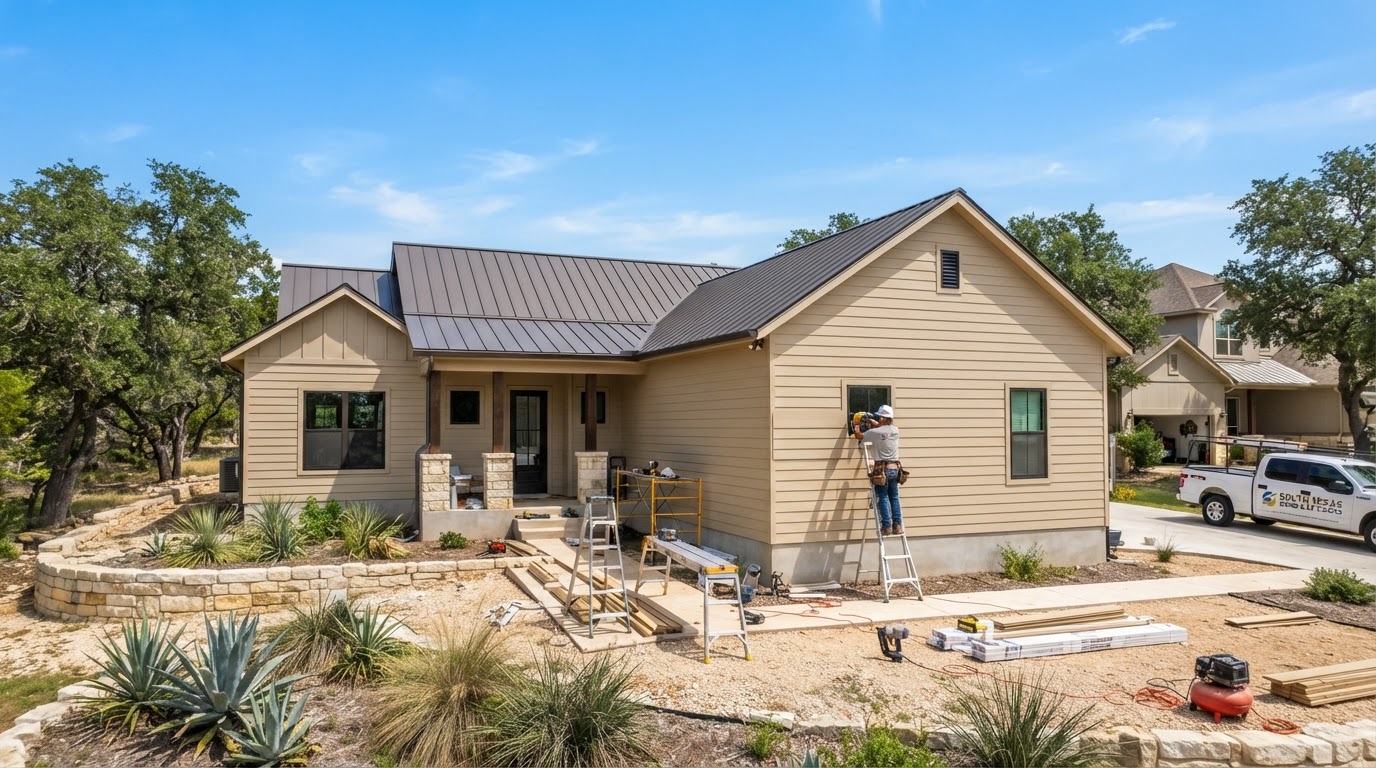
On site, the work area is prepared with attention to protecting landscaping, walkways, and adjoining surfaces. The existing cladding is repaired or replaced, trim and flashing details are finished, and the weather-resistant layers behind the siding are addressed as the scope calls for.

Final Review & Handover

Once the work is complete, the finished areas are reviewed with you and any touch-ups are noted. The handover covers what was done, how the exterior should perform, and what to watch going forward so you leave with a clear picture of the project.

Post-Completion Considerations

After handover, routine upkeep helps the siding hold up to Valley sun and rain. Maintenance notes — like checking caulked joints, watching for loose trim, and keeping vegetation clear of the walls — are shared so the exterior stays in good shape over time.

Scope & Timing

Factors That Influence Scope, Sequence, and Timing

Every residential siding project is shaped by a mix of property-specific and project-specific factors. The condition of the existing cladding, the architecture of the home, and how the household uses the property all influence whether the work is a targeted repair or a broader replacement.

Material and design choices affect sequencing too — some products need a full tear-off while others can go over sound existing siding, and each path changes how the wall is prepared and how the schedule comes together. Access around the home, the height of the walls, and landscaping nearby also affect how the work area is set up.

Local considerations round out the plan. HOA or neighborhood guidelines may limit materials or colors, and permits or inspections may apply depending on the scope. These requirements can vary, so they're best reviewed for the specific property and confirmed with the appropriate local authority.

Common Factors Reviewed During Planning

  • Existing siding condition and the substrate behind it
  • Desired functionality — repair, replacement, or a new look
  • Layout and configuration choices across the home's elevations
  • Material, profile, and color selections
  • Coordination with other exterior work or trades
  • Local requirements, HOA guidelines, or review processes
  • Scheduling constraints and seasonal weather considerations
  • Access, height, and terrain around the home
Configurations

Common Configurations and Design Choices for Residential Siding

Full-Home Siding Replacement

A full-home replacement takes off the existing cladding across the house and installs new siding in its place. It may suit homes where the siding is broadly aged, where a coordinated new look is the goal, or where the substrate needs to be inspected and the weather barrier renewed. The decision depends on the condition of the existing material and whether the walls can support a fresh system.

Elevation-by-Elevation Updates

An elevation-by-elevation approach addresses one side of the home at a time rather than the whole exterior at once. It can fit households that want to phase the work, spread the disruption, or prioritize the most weather-exposed walls first. Whether it reads as cohesive depends on how the materials and finishes transition between the completed and remaining elevations.

Material & Profile Selection

Material and profile selection defines which siding product, shape, and texture go on the home — common options include vinyl, fiber cement, engineered wood, and metal, each with different profiles and finishes. The right choice depends on the home's style, sun exposure, and how much upkeep the household is open to over time. Profile affects both appearance and how the wall sheds water.

Trim, Fascia & Accent Details

Trim, fascia, corner boards, and accent bands frame the siding and tie the exterior together. Choosing these details deliberately helps a residential project look finished rather than just re-clad, and they're often where curb appeal lives. What's appropriate depends on the home's architecture and how the trim ties into flashing and the surrounding finishes.

Insulation & Weather Barrier Upgrades

Behind the cladding, the weather-resistant barrier and any insulation or backer board affect how the wall performs. Upgrading these layers can be part of a replacement when the wall is opened up, especially on older homes where the existing barrier has aged. Whether it applies depends on the wall assembly and the scope of the project.

Local Context

Local Context: Residential Siding in Mission

Residential siding in Mission, TX is shaped by conditions common across the Rio Grande Valley. Intense sun and high heat can fade and embrittle exterior materials over time, while seasonal heavy rain tests how well joints, flashing, and trim shed water. Single-family homes dominate the area, and aging cladding on older properties often shows the wear that prompts a repair or replacement.

Neighborhood patterns also play a role. Residential subdivisions with consistent architectural styles, rural properties on the outskirts, and newer developments each present different material and access considerations. HOA or neighborhood guidelines may limit which materials, colors, or profiles are allowed, and municipal review or permitting processes may apply depending on the scope — though these requirements can vary and should be reviewed for the specific property.

Mission Siding Solutions also serves nearby communities including McAllen, TX, Pharr, TX, Edinburg, TX, Palmview, TX, Alton, TX, San Juan, TX, Alamo, TX, Weslaco, TX. Reach out to confirm service for your specific location.
Also Serving

  • McAllen, TX
  • Pharr, TX
  • Edinburg, TX
  • Palmview, TX
  • Alton, TX
  • San Juan, TX
  • Alamo, TX
  • Weslaco, TX
FAQ

Frequently Asked Questions About Residential Siding in Mission

What stages are involved in a residential siding project?

+

A residential siding project typically moves through goal-setting, a site and condition review, scope and material decisions, coordination and preparation, on-site execution, and a final handover. Each stage helps clarify what the project involves and keeps the next steps organized. The exact flow depends on the scope and the property.

How are goals and constraints clarified before work begins?

+

Goals and constraints are usually clarified in an initial conversation about what you're seeing on the exterior, what you'd like the work to accomplish, and any timing or household considerations. The home's architecture, the neighborhood, and how the property is used all factor in. This shapes which options make sense before any on-site work starts.

What site or property factors most affect residential siding?

+

The existing cladding condition, the substrate behind it, sun exposure, wall height, access around the home, and the home's architecture all influence how a residential siding project is planned. These factors help determine whether the work is a repair, a full replacement, or a phased update. Each property is reviewed individually.

Do I need a permit for residential siding in Mission, TX?

+

Permit requirements can vary by project scope and local jurisdiction. A full siding replacement or work involving structural changes may require a permit and inspection, while targeted repairs might not. Permit needs are best reviewed for your specific property and confirmed with the appropriate local authority.

What typically affects the sequence or timing of residential siding?

+

Sequence and timing are shaped by the scope, the material, site access, the height of the walls, and the weather. A full-home replacement with a tear-off typically takes longer than a single-elevation repair, and rainy or high-heat days can shift the schedule. The timeline depends on the project and is reviewed during planning.

What decisions do homeowners usually make during a siding project?

+

Homeowners commonly decide on the scope (repair vs. replacement), the material and profile, the color, and the trim and accent details. Whether to phase the work by elevation and how to handle the weather barrier are also typical decisions. These are usually weighed against the home's style, the neighborhood, and your goals.

Can residential siding be phased or done in stages?

+

Yes. Phasing by elevation — addressing one side of the home at a time — can be an option when you want to spread out the work or prioritize the most exposed walls first. How cohesive the result looks depends on how the materials and finishes transition between the completed and remaining sections. Whether phasing fits depends on the property and your goals.

Can a residential siding project upgrade the weather barrier behind the cladding?

+

When the wall is opened up for a replacement, the weather-resistant barrier and any insulation or backer board behind the cladding can be reviewed and upgraded. This can be especially relevant on older homes where the existing layer has aged. Whether it applies depends on the wall assembly and the scope of the project.

How do HOA or neighborhood guidelines affect residential siding in Mission?

+

Some neighborhoods have guidelines that limit which materials, colors, or profiles are allowed on a home's exterior. When that applies, the planned siding is usually reviewed against those guidelines before materials are finalized. Requirements may vary, so it's worth confirming what applies to your property early in planning.

What is the difference between residential siding and commercial siding?

+

Residential siding focuses on single-family homes and owner-occupied properties, where architecture, curb appeal, and household use drive the decisions. Commercial siding addresses larger or multi-tenant buildings and often weighs different access, material, and durability factors. The right approach depends on the property type and the project goals.

How do I get started with a residential siding project?

+

Start by reaching out through the contact form or by phone with a few details about your home and what you'd like the work to accomplish. From there, an initial conversation helps clarify the scope, material options, and next steps.

Which nearby communities does Mission Siding Solutions serve?

+

We serve Mission and nearby Rio Grande Valley communities including McAllen, Pharr, Edinburg, Palmview, Alton, San Juan, Alamo, and Weslaco. Reach out to confirm service for your specific location.

Let's Talk

Discuss Your Residential Siding Project With Mission Siding Solutions

Share your project goals, your home's details, and any questions through the contact form. Starting with a clear conversation helps us understand what you're seeing on the exterior and what you'd like the work to accomplish.

From there, organized next steps make it easier to review scope, materials, and scheduling so you can move forward with confidence. Whether it's a single-elevation repair or a full-home update, we're glad to talk through the details.

  • Mon–Fri 7:30am–5:30pm · Sat 8:00am–12:00pm

Get a Quote for Your Siding Project

Tell us about your siding project. We'll follow up with clear next steps.

Your information is used only to respond to your request.

(956) 555-0142